Parmigiano Reggiano is a timeless symbol of Italian
craftsmanship, celebrated for its distinctive granular texture,
rich umami flavour, and delicate notes of nuts and butter.
CHEESE
PARMIGIANO
REGGIANO
OVERVIEW
Parmigiano Reggiano is one of the oldest and richest cheeses known in the world. It is still produced as it was nine centuries ago: same ingredients, same processing technique and same artisan care.
It is a totally natural cheese known worldwide as the “King of Cheeses” due to its special production, nutritional and organoleptic features that render it a unique and superior product. its documented origins date back to the 13th century: it has lived through the years, it has travelled the world, but it has remained faithful to its identity and natural uniqueness, thanks to many generations of cheese masters who have cherished this extraordinary art
in a limited, fundamental territory.
This protected designation of origin product is a cooked and non-pressed cheese with a hard and slowly matured paste.
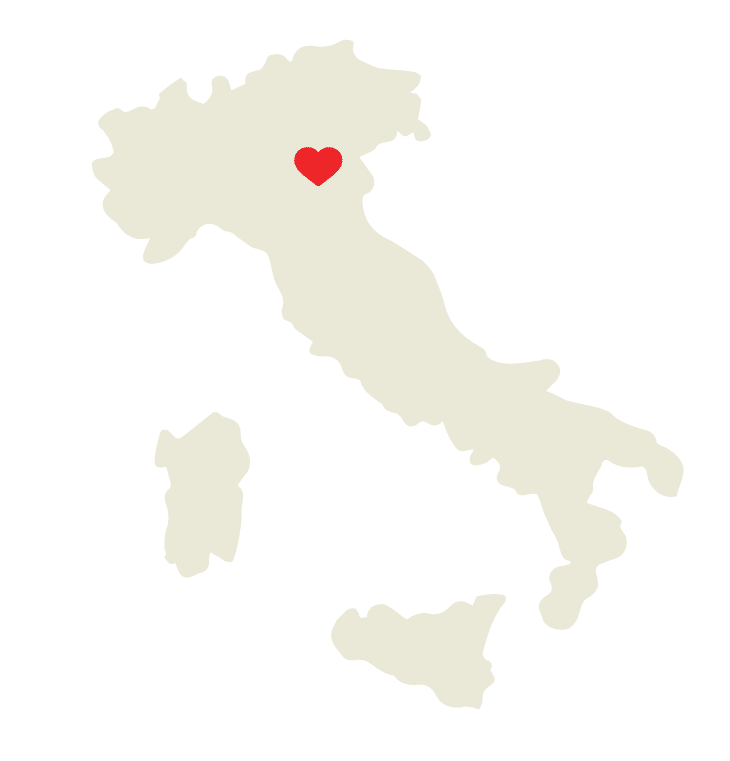
It is made only from raw milk, rennet and salt in a specific area of origin (provinces of parma, Reggio Emilia, Modena, Mantua on the right bank of the po river and Bologna on the left side of the Reno river), following artisan methods specified in the production Regulation agreed by EU.
Its properties are numerous and all of them linked to intrinsic product features: . high digestibility . high calcium content . absence of preservatives or additives . richness in mineral elements,pleasantness and organoleptic appreciation.
Its complexity of flavours and aromas depends not only on how the cows are fed and the milk processed, but also on the care of the cheese master and of time. Its minimum maturation is 12 months, but only when it reaches approximately 24 months of age or more it expresses its best.
The processes that happen inside the cheese and the maturing environment allow each piece of Parmigiano Reggiano to have a stronger and more complex character.
It is for these reasons that we can say that parmigiano Reggiano lives in a continuous state of evolution and cheeses of different ages have very different profiles of aromas.
Here’s to Long Life
Parmigiano Reggiano is one of the best cheeses for lengthy preservation, thanks to its texture and low water content. It’s no wonder Parmigiano Reggiano has been popular since ancient times and well beyond.
Vacuum-packed?
Cut cheese wedges can be displayed at room temperature for short periods of time. Be sure to refrigerate it after purchase to maintain the best flavor and longest life. Store it in the refrigerator between 4 and 8°C. The pack must be sealed so no air can enter.
Freshly Cut or Opened?
Store in the refrigerator at a temperature between 39 and 46 Fo. Be sure the pack is sealed and no air can enter.
It’s All in the Packaging
Parmigiano Reggiano should be kept in glass or plastic containers, or wrapped in food- grade plastic film. This way, it can be stored for a limited period of time, while checking its preservation conditions.
Brrr
Parmigiano Reggiano should never be frozen. But you can freeze grated Parmigiano Reggiano.
As an Aperitif
Add slivers of 12 to 18-month old Parmigiano Reggiano to raw vegetables, such as celery and cherry tomatoes. Parmigiano Reggiano can also be accompanied by mild chutney with kiwi, apricot, and melon. Serve with a dry white wine.In Soup and Pasta Courses
A 24-month old Parmigiano Reggiano is a perfect match for most of traditional Italian pasta dishes, both grated and in slivers. How’s this for a twist? Cook the cheese rind in vegetable soup.With Meat and Fish
A 26 to 30-month old Parmigiano Reggiano can enhance flavor in the preparation of main courses. Add slivers on meat or fish carpaccios or on roast beef with a drizzle of extra-virgin olive oil. Serve with more or less structured red wines.With Vegetables
Parmigiano Reggiano mixes well with fresh vegetable salads, dressed with a bit of extra- virgin olive oil. It’s indispensable for baked vegetable pies and for traditional recipes, such as Aubergines alla Parmigiana.With Fruit
A 12 to 18-month old Parmigiano Reggiano can be enjoyed with fresh fruit such as apples and pears. A 24 to 28-month old Parmigiano Reggiano is delicious with any type of nuts and dried fruit (walnuts, hazelnuts and figs), especially with dried plums.With Traditional Balsamic Vinegar
A sliver of matured Parmigiano Reggiano is scrumptious if served with a few drops of traditional balsamic vinegar from Modena or Reggio Emilia.Is there anything artificial in Parmigiano Reggiano?
Parmigiano Reggiano is made every day by many cheese masters who turn milk into cheese. This transformation from milk into cheese takes place without any processing aids, i.e. without any additives (no additive is allowed in the production of Parmigiano Reggiano cheese) to correct faults caused by milk quality non-conformities. This work, which is truly an art, is carried out every single day without interruptions, including Sundays and holidays because the milk, which is raw, must be processed every day and cannot be preserved in any way.How can I use Parmigiano Reggiano?
Parmigiano Reggiano is a very versatile cheese that has been widely used in cooking since ancient times. It can be enjoyed as a food eaten in small chunks, simply accompanied with bread, and perhaps wine, jams or fruit. It can be grated, shredded, shaved over Italian pasta, salads and soups or chunked and served with fruit. Or use as an ingredient in recipes or other preparations. For example, fresh pasta filling, meat preparations, pies containing vegetables and other ingredients.Are there different variations of Parmigiano Reggiano?
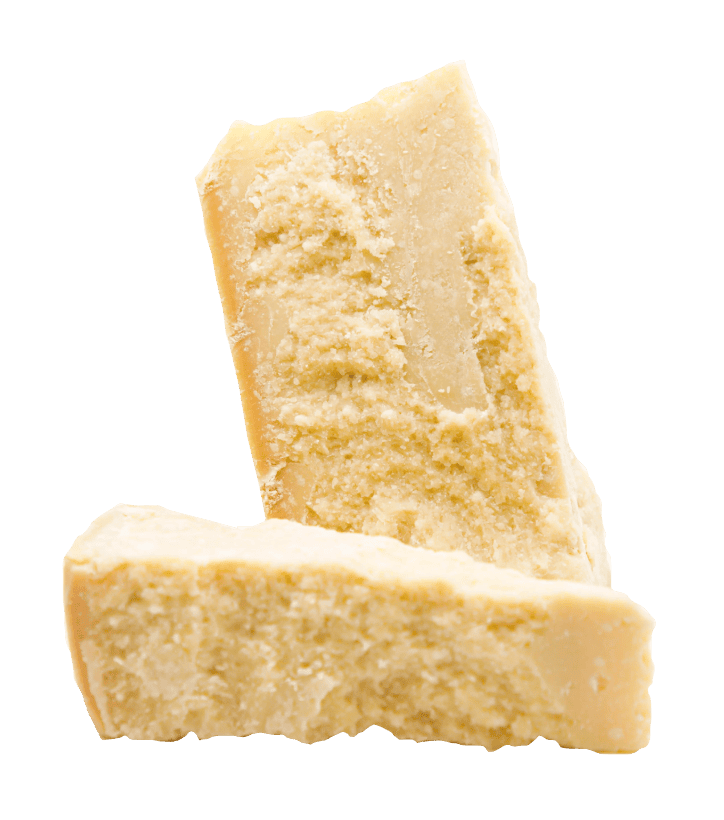
Yes. While Parmigiano Reggiano is made in the same way, in the same places, with the same expert ritual gestures, as it was centuries ago, today, the maturity of the cheese affects its color, flavor and texture. The younger, 12 to 15-month old cheese appears as a faint straw color, is softer in consistency and has hints of fresh milk and yogurt providing a sweet and sour taste. The more mature cheeses that range between 24 to 36-months have an amber color that only deepens with its maturity, are harder in consistency and smell of melted butter with a nice balance between a sweet and salty taste.What is PDO?
PDO stands for “Protected Designation of Origin.” This means that it’s guaranteed for its distinctive features and its link with the area of origin, by a system of European rules designed to protect both consumers and producers.How do I know if I’m purchasing authentic Parmigiano Reggiano?
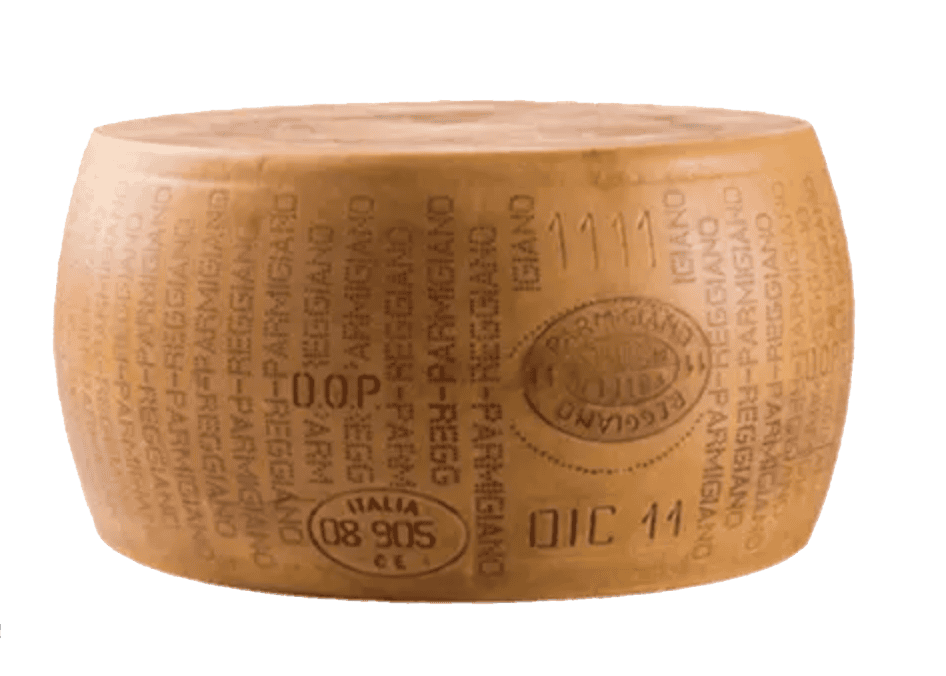
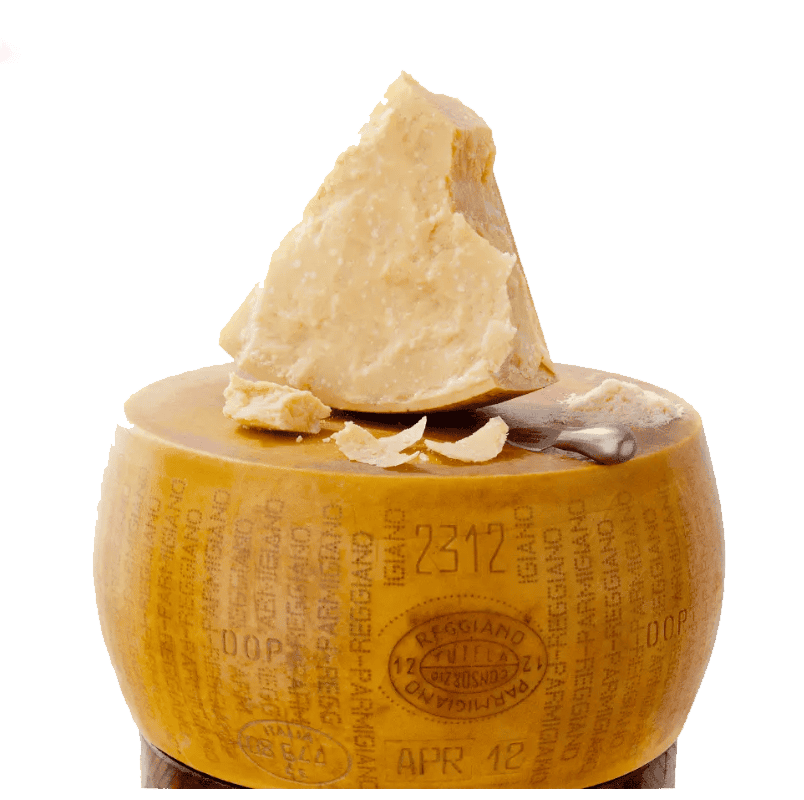
Parmigiano Reggiano cheese is a product with the Protected Designation of Origin (PDO). Cheese produced according to the rules contained in the Production Regulation is the only cheese entitled to bear the Parmigiano Reggiano mark and, therefore, the wheel must display all the marks required for identifying and distinguishing the product. Pin-dot writing Dairy code Month and year of production Fire-marked oval brand of the ConsorzioTRADITION, GUARANTEED
BY QUALITY.
OF TIME &
TRADITION.
YOU MIGHT ALSO LIKE
DOP CHEESE
MASCARPONE
WITH ASIAGO STAGIONATO PDO